Blue Prince is a Depth Crawl
This post has been written as part of the Map Blogwagon.
The game Blue Prince celebrated its one-year anniversary this month, and I found myself back inside the ever-changing home. It took me 58 days to reach Room 46, and at 125 days, I’m still searching for answers. If you’re unfamiliar with the game, Blue Prince is a rogue-lite where players draft rooms, solve puzzles, and learn more about an inherited home.
Rogue-this-or-that
I hear the term rogue-like and rogue-lite thrown around a lot. They’ve become a staple of video games now, and the usage of procedural generation is embedded in almost every game we play in one form or another. The terms are often written as roguelikes/roguelites, but let’s be clear, the terms are not interchangeable.
A rogue-lite has meta-progression, meaning after you run, you still make tangible progression in one form or another with resources, unlocks, etc. Here are some examples:
- Hades
Events: Real-Time
Run: The player travers different areas, earning boons from the gods
Meta-Progression: After a run, the player can unlock new weapons, adjust difficult of a run, and build relationships with NPCs. - Slay the Spire
Events: Turn-Based
Run: Players traverse a node map, collecting resources and managing a player deck
Meta-Progression: Earned XP unlocks more characters to play
Compare that to rogue-likes which include permadeath and no meta-progression. These two features are perhaps the largest distinction between the two. Some examples include:
- Spelunky
Events: Real-Time
Run: Explore and survive. - Into the Breach
Events: Turn-Based
Run: Explore and survive. - Caves of Qud
Events: Real-Time
Run: Explore and survive.
The appeal of a rogue-like is in the meta-knowledge earned from playing, the challenges from complex mechanics, and the secrets along the way. Permadeath is a hit or miss feature these days, though for arcade games, it was a staple. The first video game to include permadeath, you guessed it, was Rogue. Soon after, classic point-and-click adventure games like King’s Quest would include the permadeath feature, making players feel chagrined.
Where did these terms come from?
Great question! There’s some debate about that. Most sources say it came from the game Rogue in 1980. However, a 2017 talk from the Roguelike Celebration titled, “On the Historical Origin of the ‘Roguelike’ Term” cites Usenet as the space where discussion about the term came to be. From my reading, the term may have existed offline in a niche group. A loose correlation can be made from reading the Berlin Interpretation which lists out a concrete definition of rogue-like, citing games such as ADOM, Angband, Crawl, Nethack, and Rogue.
The talk concluded that many of the features we consider today to be rogue-like staples, such as procedural generation, permadeath, and being real-time or turn-based weren’t part of the online discussions for the definition. Part of this may be due to the technology at the time, but the two features we’ve lost over time include:
- Being “Free”: Disowning commercial and closed source games.
- Being portable: A very specific quality of these first games.
It’s unsurprising the open-source initiative of rogue-likes would be dropped given today’s video game industry, but portability remains ever present in the minds of developers.
Rogue-lite which we’ve conflated with rogue-like is much a younger term, having been generated from in the 2010s. Many people attribute it to the game Rogue Legacy which is fitting and a little humorous. Permadeath exists in Rogue Legacy, but its inclusion of meta-progression is what pushed people to find a new term. For a while, and still in some circles, rogue-lites are called roguelike-likes. However, the “lite” replacing “like” – we love the variation here – signaled to players it was a “lighter” version of a rogue-like.
Even the way the words are written is not ubiquitous. Some spaces write roguelike while others write rogue-like. I prefer the dash as it helps me keep the two separate. Steam doesn’t even list them separately, which is a real injustice to Rogue-likes.

Image 1: Steam's merged category for Rogue-Likes and Rogue-Lites even though the terms are distinct.
Okay, but depth crawls...
Right, so Blue Prince is a rogue-lite and it’s a Depth Crawl which begs the question are all rogue-lites a depth crawl? Players venture on runs (read: delve a certain depth), and when a run (or delve) is concluded, they begin anew albeit with more information/resources. In Blue Prince, players draft rooms, picking from 3 each time a door is opened. Rooms are drafted in a grid (5 x 9), and every door North increases the Rank a player is on. The “goal” is to ultimately reach Room 46 on Rank 10 through the Antechamber room while having enough Steps left in a day. I put the word goal in quotes as this is what players are told on start, but many will know there is much, much more to the game beyond reaching Room 46.
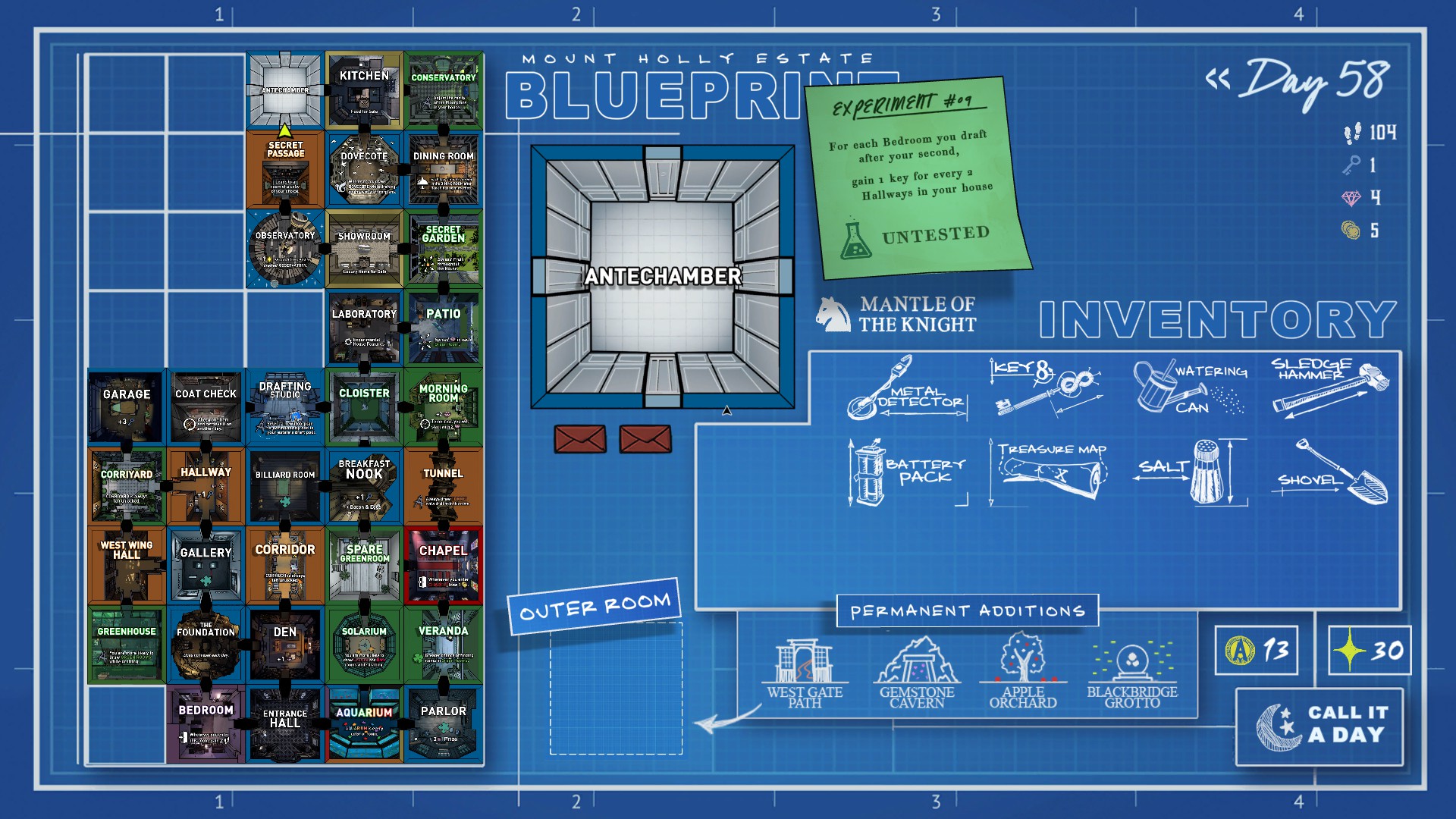
Image 2: The first time I reached Room 46.
On a run, players can acquire keys, gems, gold, and items to support their goals. Books and terminals strewn throughout rooms provide insights to the player’s family history and history of the home. Through puzzles, the game’s focus is on (1) surviving which facilitates (2) discovery of a space.
In The Stygian Library1, players explore a library, searching for a specific book or some piece of knowledge. Rooms are procedurally generated by dice rolls, and players can choose whether to continue exploring a space or go deeper into the library.
On a run, players meet people, gather magic weapons, extraordinary books, treasure, and learn about the library’s space. If the Librarians ever perceive the players as hostile, negative encounters begin occurring. Through exploration, the game’s focus is on meeting NPCs and discovery of a space.
Both games have overlap in the ways players engage in the space, and they both provide knowledge of the area through discrete rooms. Something refreshing to see in a video game is one that requires me to keep notes outside of it. There is no journal for the puzzles solved or unlocked in Blue Prince. This requires extensive note taking and becomes its own form of play. The downside is if you take haphazard notes on what you accomplished, then it’s difficult when you return. It reminded me of taking notes on puzzles in point-and-click adventures games with my stepmom. However, I’ve found that BluePaths, aspoiler-free hint system for the game, really helped me finish the last handful of puzzles. Meanwhile, The Stygian Library has note taking built in to recount your adventure. While both are technically optional, going without notes in either instance could be frustrating.
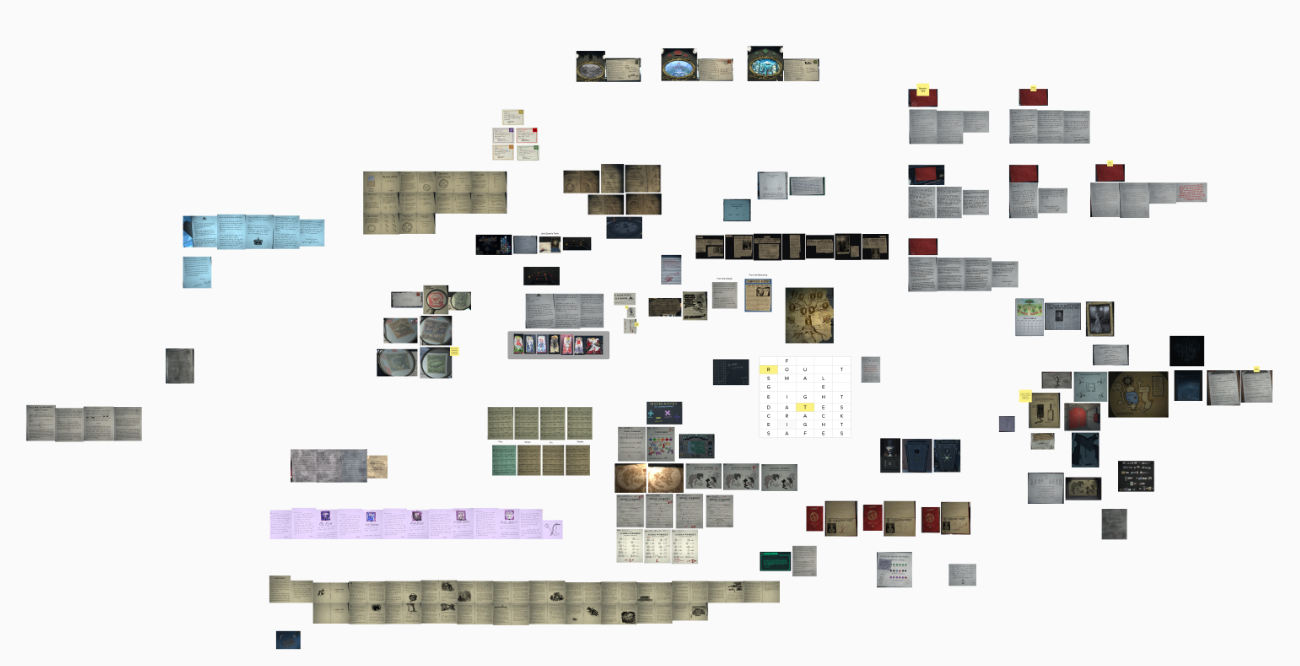
Image 3: My personal notes for Blue Prince.
Another potential drawback to the depth crawl is in setting a goal for the player. At first glance, Blue Prince appears entirely random, but players can discover ways to mitigate the types of rooms they draw and learn where they are best positioned. Yet in the Stygian Library there’s no way to control the room you end up in as you’re beholden to the dice. For both, it can be frustrating if players are actively trying to return to a specific room.
The last note about these depth crawls is the sense of replayability. After enough time, and I mean a significant amount of time2, in either space, players can start to plan and predict how the procedural generation will trigger. They may visit the same room 8 times and lose engagement. As the sense of discovery slows down, the motivation to delve deeper can too. This has happened for me in Blue Prince where I no longer bother solving either the Billiards or Parlor room puzzles.
1. Fun note – my wife saw The Stygian Library sitting on my desk and said, “This reminds me of Blue Prince.” before she even knew the existence of this post! All the validation I needed in this theory.
2. I have roughly 70 hours in Blue Prince, and I’ve only played the Stygian Library solo a couple times. I have plans to run it for a party soon, though!
Conclusion
There may exist a relationship between the desire for rogue-lites and rules-lite games. The rise of both over the years in two separate yet similar industries feel like an answer to something in our society/culture. In the video game industry, open world games – while still popular – can be overwhelming for players. Similarly, ttrpgs with many rules can feel the same.
I do not believe rules-lite or rogue-lites are inherently "easier" games to play, because they are not as crunchy or complicated in their rule framework. While both provide an easy entry point of engagement for a wide range of players, it's only a select group of players who reach a level of mastery. Mastery in the rules-lite sense would be knowledge of the rules and their application though even that is arbitrary.
Limited rules force players to ask themselves which components of a game, rogue-lite or depth crawl, do they want to engage in. It provides a space for players to create a set of internal rules against the procedural generation provided.
References
Berlin Interpretation
Berlin Reloading
Blue Prince
Core Traditional Roguelike Values
On the Historical Origin of the Roguelike Term
The Stygian Library